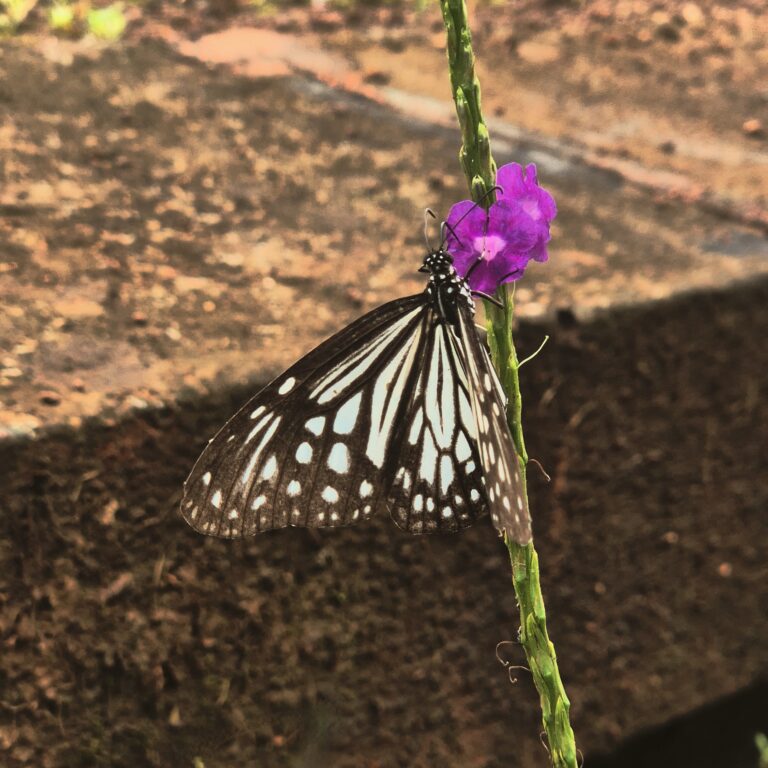
We started the trail early, driven by the simple desire to see as many butterflies as possible. Coupled with a hunger for discovering whatever else we could at Maharashtra Nature Park. Just a short walk filled with banter and expectations, we came across not just one or two but, multiple Common Crows and Common Mormons. All of them flittering about the beautiful flower-laden Jamaican Spike and Indian Lantana. Close by, we saw the Nirgundi tree, whose varied uses and qualities inspired us. Amongst the butterflies, we were fortunate to witness a purple-rumped sunbird feeding on the nectar of the Jamaican Spike!
Species Snapshot
16
Butterflies
19
Birds
17
Flora
20
Other Taxa
At a much slower pace, we plunged ourselves into the depths of the nature trail, where we were greeted by the fluttering parade of the glassy tiger, striped tiger, blue tiger, and the common emigrant butterflies, all busy feeding on nectar on the solitary perches of the lantana.
With the common grass yellow at our feet, we marched on where the fenced waterbody surprised us with two water hens perched on some submerged roots. While trying to capture their beauty, a white throated kingfisher made its presence known with its jarring call.
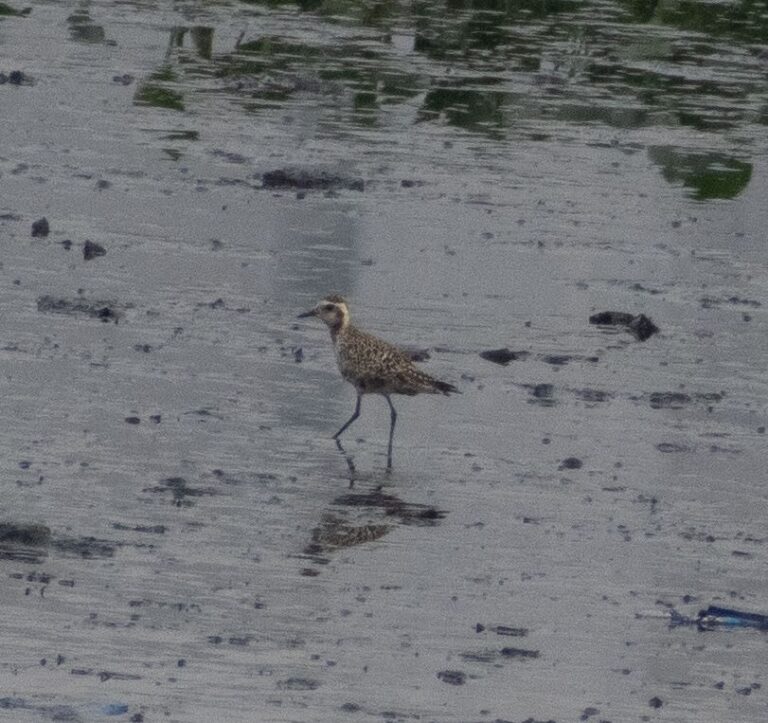
Jubilant with our quickly filling the checklist, we approached the Mithi river with the awe of history being retold in hushed whispers. A few wood sandpipers, a singular pacific golden plover, two grey herons, ashy prinias, cattle egrets,and cormorants were busy with their businesses while we watched them with the eyes of hawks!
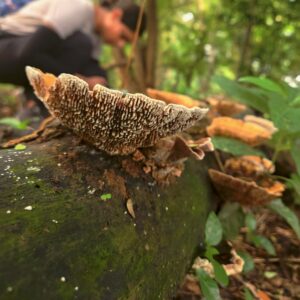
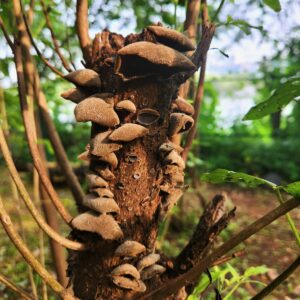
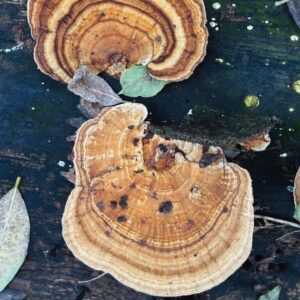
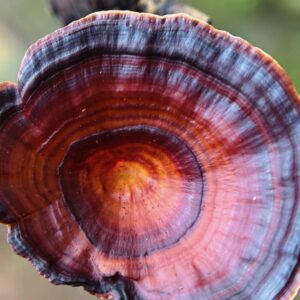
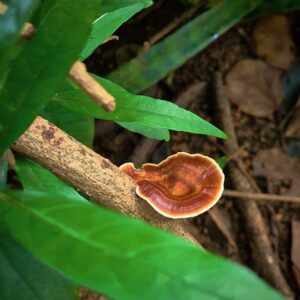
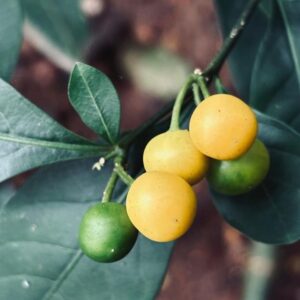
As we walked under the lush canopy of the Banyan trees, the tiny world of fungi and spiders opened to us. We observed various fungal wonders, like the dead man’s fingers, wood ear fungi, yellow-stemmed micropore, turkey tail mushroom,and bracket mushroom. The beautiful yellow and orange berries of two-leaf nightshade were quite a sight to see and the bright red and black ones of the devil pepper. And so was the peacock flower!
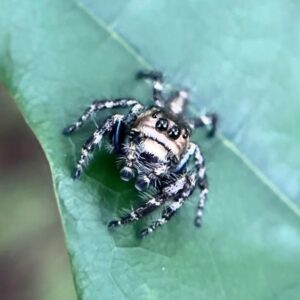
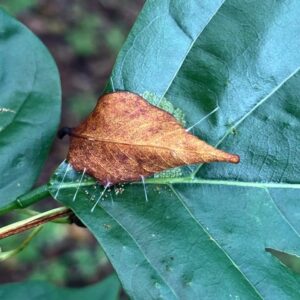
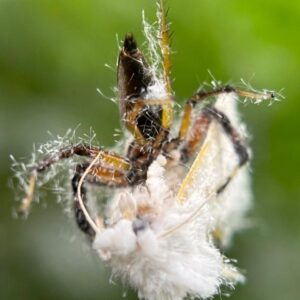
Following a line of Indian black ants, we were surprised by rows and rows of the snake plant, within which the various spiders, like jumping spider, three stripped spider, lynx spider, and signature spider, had made intricate webs. We were fortunate to see a three stripped spider with a recent kill and a jumping spider defend her nest against us giants.
A poignant greater coucal remained blissfully unaware of our presence, contrasting the chittering of the rose ringed parakeet, which seemed to be quite flustered by our presence and would continue to complain about it for a few days to come!
The echoing calls of the magpie robins and tailor birdsfurther infused mystery into the dull morning. Helping participants to differentiate between their calls and the calls of the Copper smith barbetthat seemed to want attention as well.
But we did also pay homage to the red silk cotton tree (Katesavar) and the milkweed, with the important roles they play in the lives of butterflies. All the while, a black kite thought it could get away with posing as an egale, but it’s safe to say it didn’t.
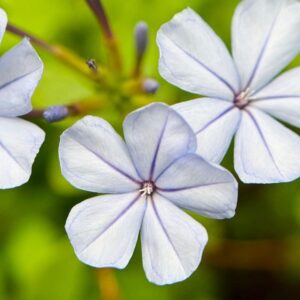
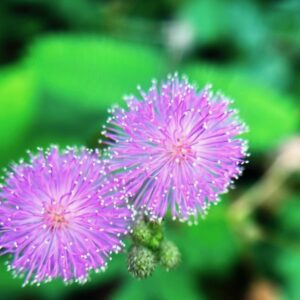
The carpenter bees and beetles kept us company while a huge flying fox moved across the coconut trees. The well-kept nursery of Maharashtra Nature Park had hidden gems like blue palmbago, sensitiveplant, jungli badam and the blue pea flower. Within them sat a stilt-legged flyand a palm bob. It was at this point that we decided to stop counting the number of common crows we were seeing!
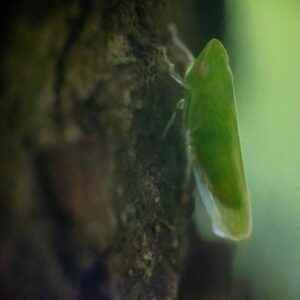
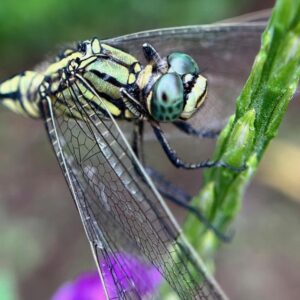
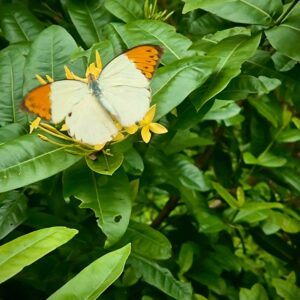
And we were glad we didn’t, as the common cerulean and a tree hopper kept us busy. The Jungli Badam also seemed to be teeming with butterflies, including the Danaid eggfly, tailjay, brown king crown, wanderer, and common palmfly. With the echoing sounds of the whiskered bulbuls and red-vented bulbuls, near a bountiful Amla tree, we were surrounded by red marsh, ruddy darter, damselfly and crimson marsh gliders. And a yellow ixora at the back kept a hidden secret the Great OrangeTip. And close to it, the vivid flowers of the Krishna Kamal bloomed right in front of our eyes.
With no plans of exiting the park, we headed to the picture exhibition where we shared tidbits of India’s natural history. The Asian Koels had taken up their calling duties by then. One of our participants decided their time was running short; they left with a camera and a heart full of memories.
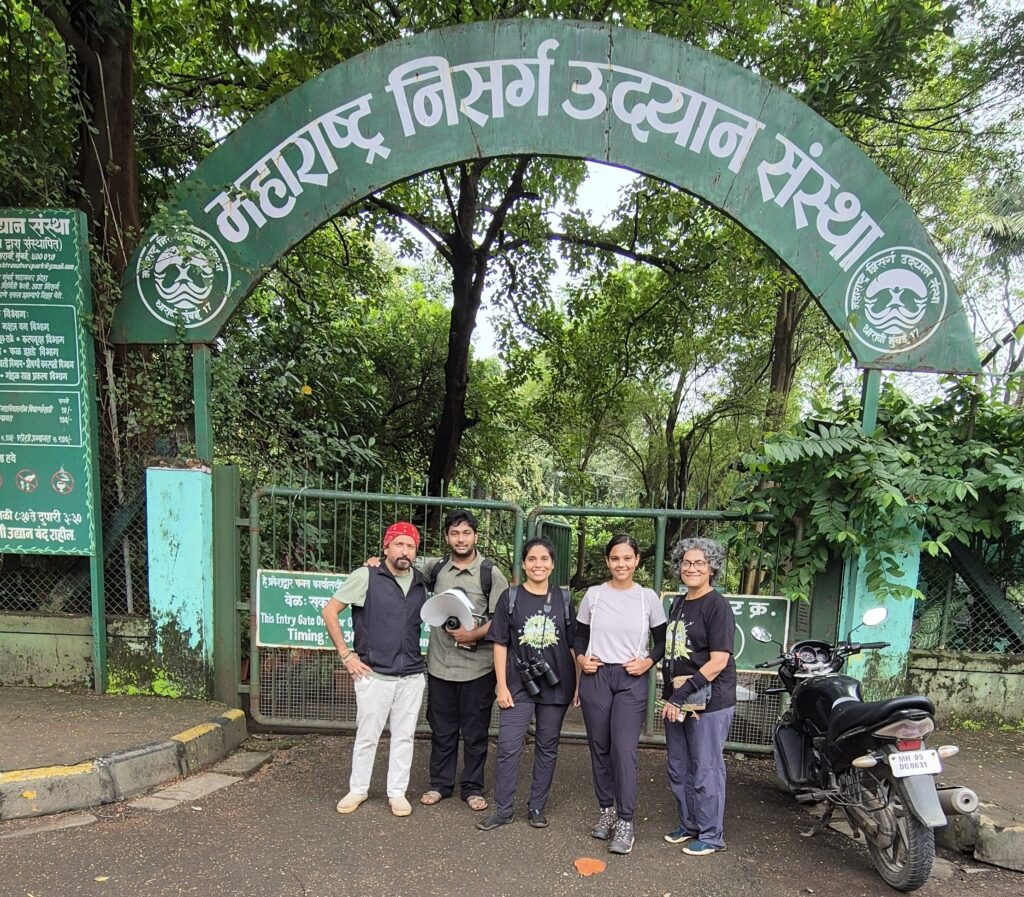
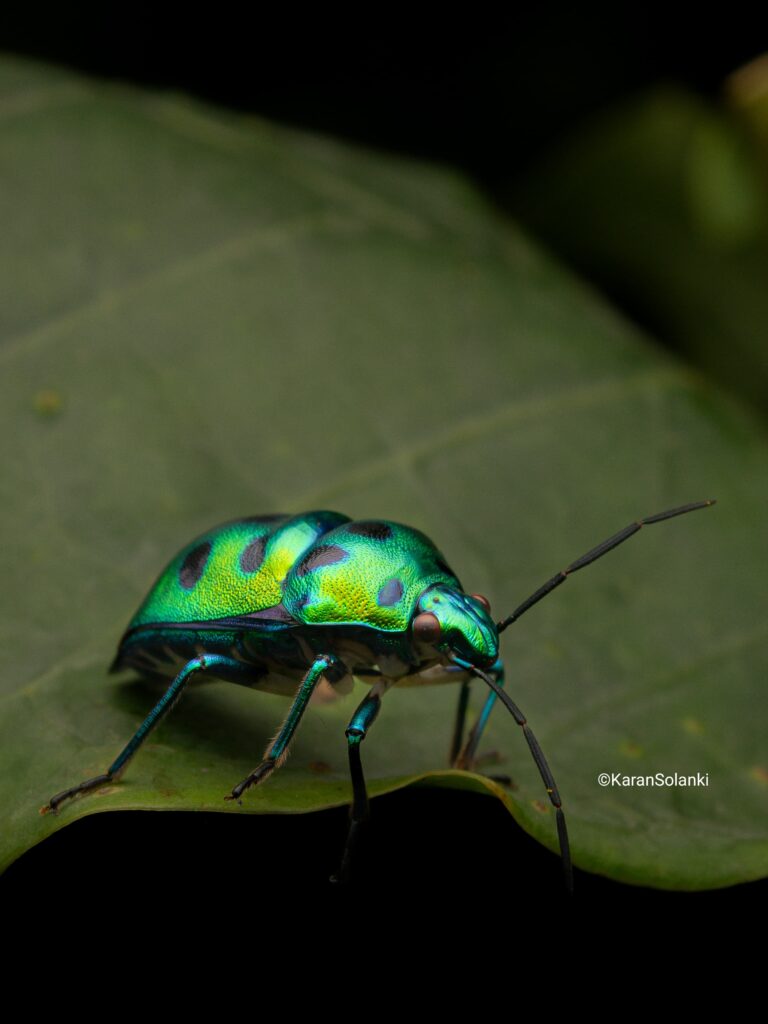
Finally, at about 11:00 AM, we headed towards the gate where a yellow-orange tip bade us farewell. We clicked our group photo, albeit missing the laughter of Dr Murali. As we headed our separate ways, Karan shared an image of the Jewelled bug that we just missed. Wildlife is and will always be unpredictable!