
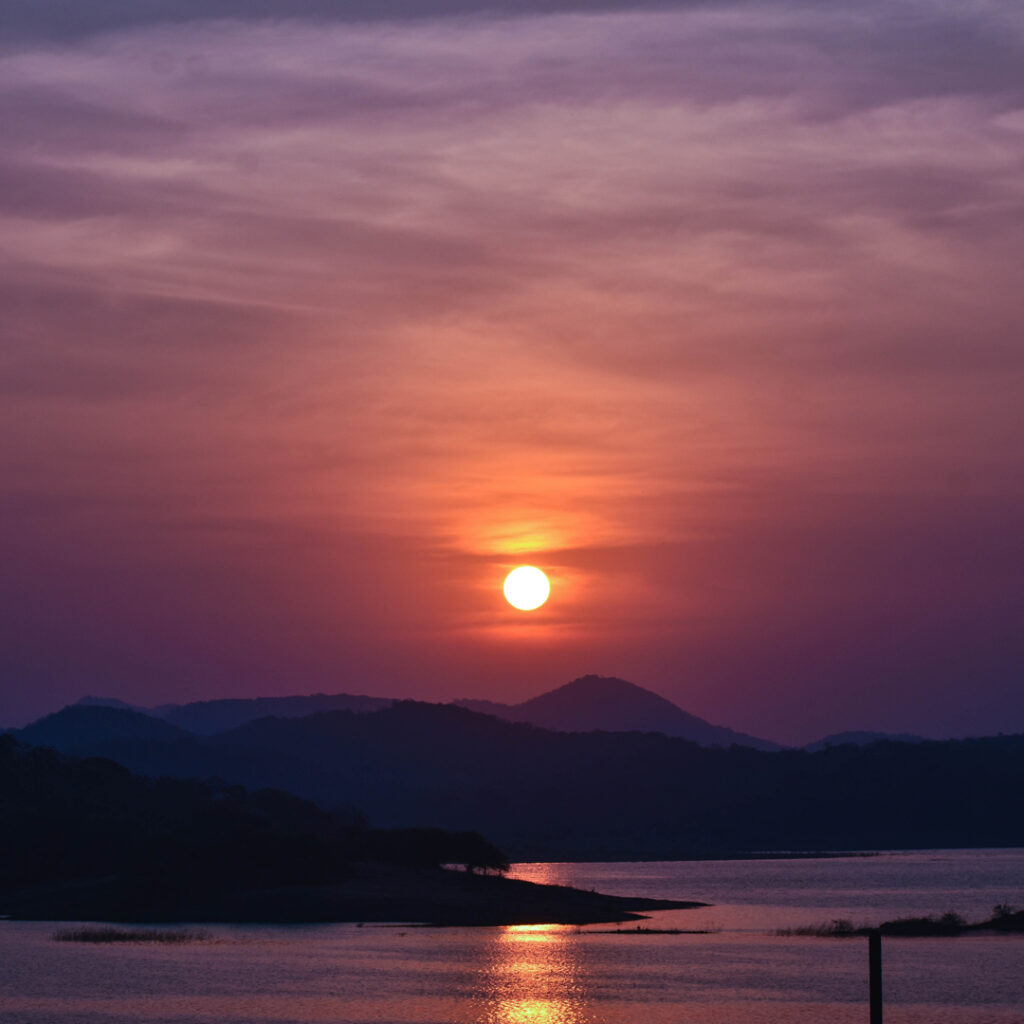









Welcome to the jungle! The conversations here are dominated by the superstars- the animals. The photographers & filmmakers are guests of honour and the forest officials have all the swag. The atmosphere is always charged, for someone new you’re bound to be a little more than lost. Now, we can’t name all the superstars, there are too many, but here’s a small directory that can start the ball rolling.

BUFFER AREA
Being the area of the jungle where humans (especially tiny villages) thrive, this area is freely used by animals and human alike. Mostly specked with farmland and villages (even temples) the buffer area is thick with foliage. The beauty of flora thrives in this area. Aged big cats and leopards frequent this area for prey. Economic activity has a few strict restrictions in this area. The buffer area is the transition zone to the more strictly protected areas of the forest.
CORE AREA
This area is the strictly protected or main area of the jungle. Of this, only 20% is open to tourists. The only other humans that are allowed inside are ‘Adivasis’ or tribals, forest rangers and rescue professionals. The fauna of this area is protected under the hawk eye of the forest department. Human activity in this area is strictly curtailed and bio- diversity is at the highest.

ZONES
Every jungle is divided into zones for proper management of tourist activities in the protected area. This helps in preserving the jungle and protecting the wildlife. Each zone is allocated a specific number of jeeps/ canters per day & shift to control the impact of tourists on wildlife. Though most zones in a specific jungle are known to be similar to each other it is not out of the ordinary to have typographical and wildlife diversity in between zones of a single jungle.
GATE
Each zone of a jungle has an entry gate from which jeeps & canters are allowed to enter and exit the restricted area. From these gates, jeeps can only follow specific routes inside the jungle. The gates are usually named after the zones they are in. For e.g. The Moharli zone (of Tadoba Andhari Tiger Reserve) has the Moharli gate while the Kolsa zone has the Kolsa gate.

WATER BODY
Water bodies are any naturally occurring lakes, rivers, small rainwater collections and artificial ponds. Artificial ponds are often termed as ‘water body’ while lakes & rivers go with the names locals have given them. Water bodies are constructed in jungles to provide water to wildlife in the dry summer seasons. Tourist routes usually cross such water bodies to make viewing of predators easy.
MARKINGS
Pug Marks are footprints of animals, usually big cats. Guides and conservationists use them to track down animals. Those trained in the field can accurately identify species, age, sex and physical condition of the animal from its pug marks. Claw marks are scratches on trunks of trees or logs by clawed animals. Animals resort to scratching wood to maintain and sharpen their claws, to stretch back muscles and to mark territory.

KILL
The term ‘kill’ to represent ‘prey’ or an animal that is hunted and killed for food by another animal.
GUIDE & DRIVER
The guide and the drivers are locals, usually villagers that once called the jungle their home. They have exchanged their homes & farmlands for conservation. The forest department educates and trains them and they appear for exams on a regular basis. The guides get no more than one safari a day and chances are that they go a few days without a safari. Drivers and guides earn anywhere between Rs.150 to Rs.500 per safari. So don’t forget to tip them after a successful trip to the jungle.

FOREST DEPARTMENT
The ministry of environment, forest & climate change is responsible for the conservation of the environment & forests of India. They undertake surveys, prevent & control pollution; afforestation, and land degradation. They promote and plan various programmes & administer the national parks in the country. Ground staff, patrolling officers, rescue teams and many more such regulatory roles are controlled by the ministry.
Heard anything that we missed mentioning? Let us know in the comments below!